

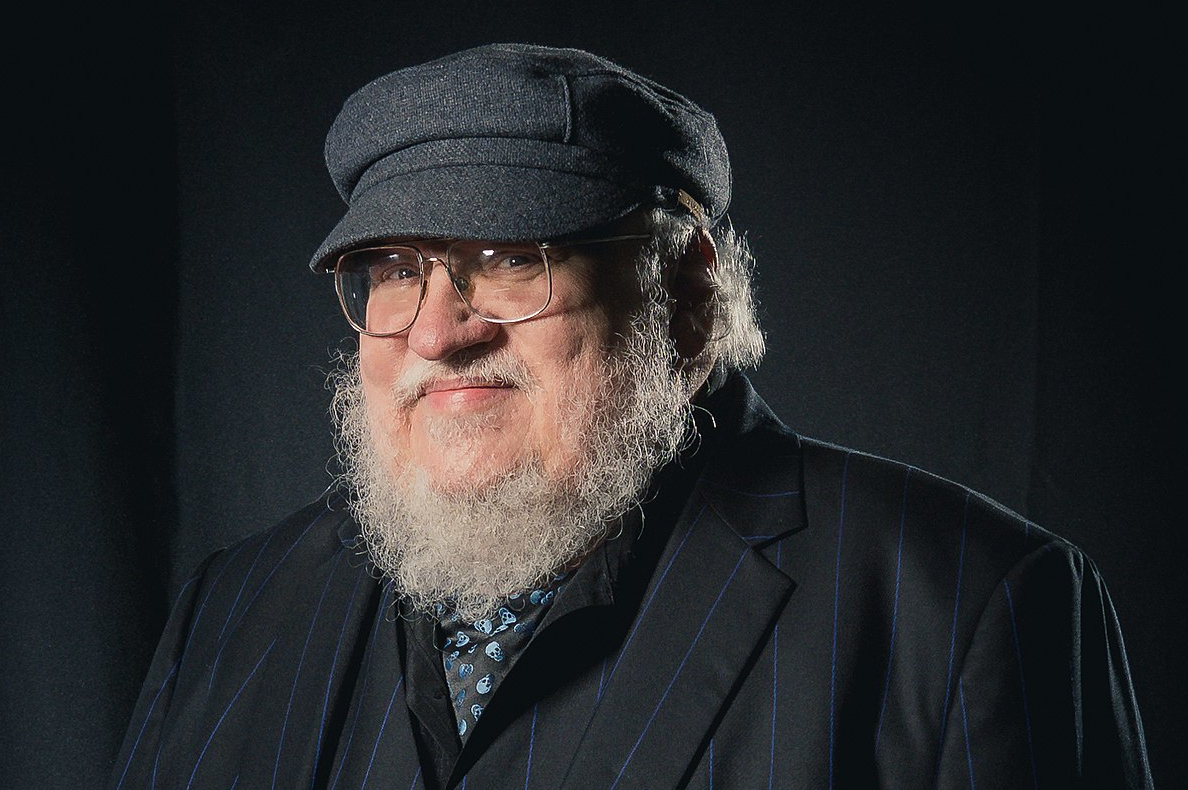
US authors George RR Martin and John Grisham are taking legal action against OpenAI, the owner of ChatGPT, for allegedly using their copyrighted work without permission to train the AI system.
George RR Martin is renowned for his fantasy series “A Song of Ice and Fire,” which was adapted into the popular HBO series “Game of Thrones.”
ChatGPT and other large language models (LLMs) learn by analyzing a vast amount of data, often sourced from the internet.
The lawsuit contends that the authors’ books were utilized to make ChatGPT more intelligent without obtaining their consent.
OpenAI has stated that it respects the rights of authors and believes they should receive benefits from AI technology.
The complaint also names other prominent authors, including Jonathan Franzen, Jodi Picoult, and George Saunders.
The Authors Guild, a US trade group representing the mentioned authors, has filed the case in federal court in Manhattan, New York.
According to the lawsuit, OpenAI is accused of engaging in widespread and organized copyright infringement.
Similar cases
This legal action follows a similar case filed by comedian Sarah Silverman in July, as well as an open letter signed by authors Margaret Atwood and Philip Pullman in the same month, which called for AI companies to compensate authors for using their work.
An OpenAI spokesperson stated, “We’re having productive discussions with many creators worldwide, including the Authors Guild, and have been working collaboratively to understand and address their concerns regarding AI.”
The case argues that ChatGPT was fed data from copyrighted books without the authors’ consent, partly because it could provide accurate summaries of their works.
Additionally, the lawsuit highlights a broader concern within the media industry – the displacement of human-authored content by this type of technology.
Unlikely to succeed
Patrick Goold, a law expert at City University, expressed sympathy for the authors but believed it was unlikely the lawsuit would succeed. He suggested that the authors would initially need to prove that ChatGPT had copied and duplicated their work.
He also pointed out that the authors’ primary concern seemed to be the potential job displacement caused by AI, similar to the concerns currently voiced by screenwriters in Hollywood.
Goold emphasized that addressing AI automation and its impact on creative arts should involve discussions in Parliament and Congress rather than relying solely on copyright laws.
This case is just one in a series of complaints against developers of generative AI, which can create media based on text prompts, all stemming from concerns about copyright infringement.
Earlier, digital artists filed a lawsuit against text-to-image generators Stability AI and Midjourney in January, alleging that they relied on copyrighted artwork for training.
OpenAI, along with Microsoft and programming site GitHub, also faces a lawsuit from a group of computing experts who claim that their code was used without permission to train an AI named Copilot.

