

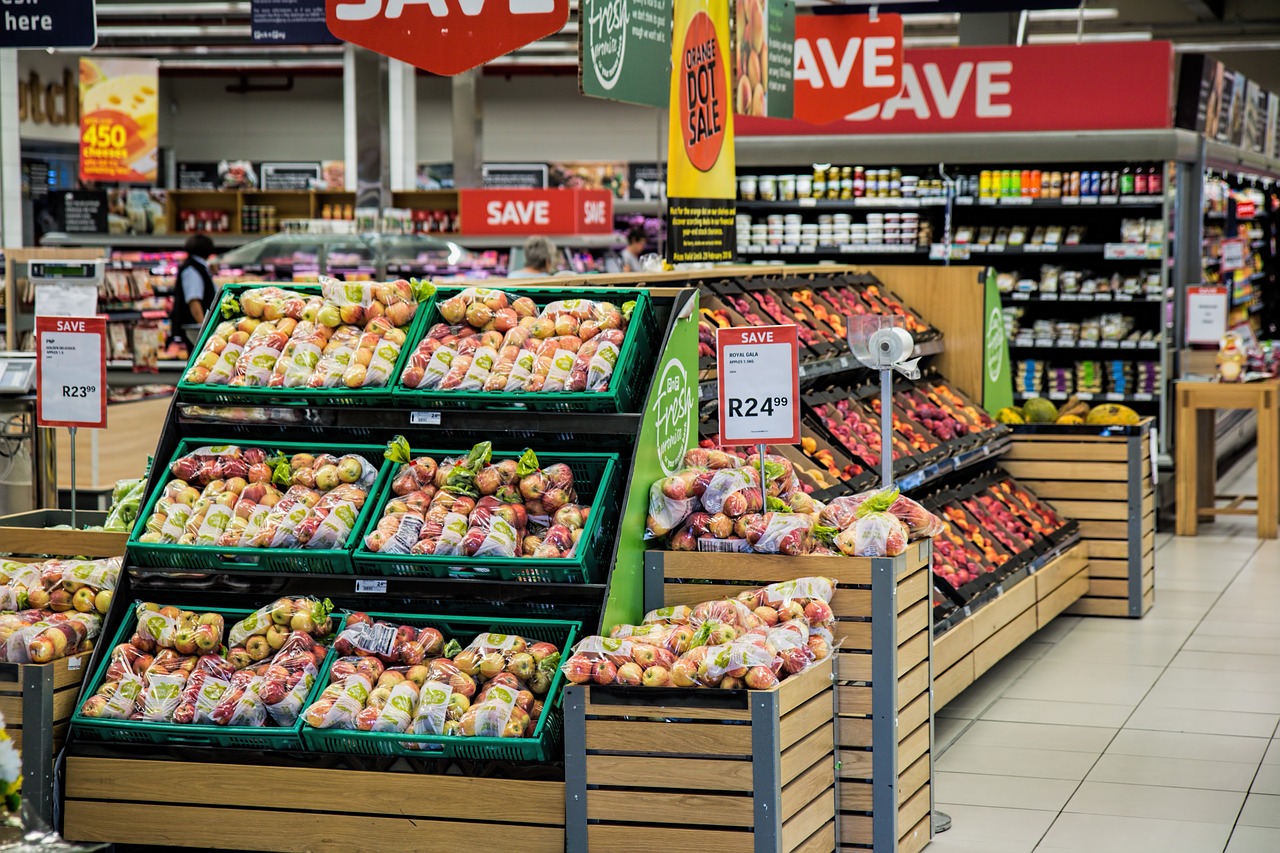
These days it’s hard to go anywhere or buy anything without being signed up for a loyalty card. Make one online flower purchase and you are guaranteed to be inundated with daily mails until the day you die. On the surface it makes sense – once they have your contact details, stores can hard sell things to you until you break. But what if I told you this wasn’t even a fraction of what they were really doing and how in-store specials, are no longer specials at all?
Savvy customers will already know that loyalty cards offer a lot more benefits for the stores themselves than for consumers. Stores use the cards to collect data on buying decisions, brand loyalty and store habits. Using the data they gather, stores are able to price goods at the highest price the majority of people is willing to pay, and offer targeted specials that they know, will lure the most people into the store. A famous example from the UK is the fact that Sainsbury’s stocks a range of cereal called, “Grape-Nuts” despite it barely selling in their stores. They discovered that shoppers who buy this odd product are also extremely loyal to the people who stock it, and further, that they are big spenders who do not check prices too closely – well worth luring in.
South African Supermarkets are not above these kinds of subtle shenanigans, but what makes them even sneakier is the fact that, more often than not, loyalty cards are being used to trick customers into false specials, rather than give them specials at all. While real specials do definitely exist (usually as loss leaders to lure people into the store, and where prices elsewhere make up for the discount) this is definitely not always the case. One large chain, in particular, is quite fond of slapping the “Save” sticker on an item and offering a “Buy one get one free” type deal. Bacon, for example, might be marked at R55 a packet, but if you have the store card, you can buy two for R80. What a bargain, you think. The problem is that the normal price for bacon anywhere else, and indeed in that same store the week before, is R35 per pack.
In fact, specials and “Best buy” stickers are no longer a helpful guide for customers. While walking around the stores you would be forgiven for thinking that a huge “SAVE!!!” sticker means the price has been reduced, but this is no longer so. Research conducted in the UK and America has found that items marked as being savings are vastly more likely to simply be the same price they always have been and occasionally are even more expensive. You had better believe our local brands are following the worldwide profit-taking trend.
The same is true for buying in bulk. For most of our lives, buying more of a product is a surefire way to save, but this is no longer the case, as quite often bulk items can be priced as more expensive per gram, or item, than their smaller packaged cousins.
The advice, therefore, is that customers must not be taken in by flash, size or signage, especially if they think these specials are limited to them, because of their loyalty cards. In South Africa stores are required to break down the prices uniformly across a product, and these prices can be seen in tiny writing on each store price – for instance, if the price is R60 for 18 eggs, you will find the unit price per egg on the same label (R3.33 per egg). Use that small print to find the real savings.
By now, those who don’t use loyalty cards are smiling smugly, but rest assured, the supermarkets are coming for you too. Even if you haven’t handed over your details for a loyalty scheme, you can be sure you are still being tracked somewhere. Some stores have taken to pairing Debit and Credit Card information with the till receipt to build up a sizable database of information, without your permission. If you aren’t eating healthily, they know. If you are perhaps drinking too much, they know. If you are inclined to spend on treats, at the end of the month, they know. You might as well get the loyalty card, and pay R40 for the packet of bacon than the exorbitant R55 that’s on offer.
There is nowhere all this information is more valuable than in the online environment. Imagine if a Supermarket can individually price items depending on the client and their spending patterns – your chocolates go up in price, just when you want them the most?
Online shoppers open themselves up to a wealth of Supermarket trickery. One of the easiest to spot is the “Allow substitutions” button, which gives the store permission to trade in more expensive brands for items. Most stores know their reputations are on the line should they do this, so what may happen more regularly is that a cheaper brand with a higher profit margin is substituted instead. Be aware too that those helpful suggestions offered by many stores for what you may like, almost never include the value versions of products.
In short, we can’t trust our friendly grocers anymore, and all the old rules are off the table. Check the prices, don’t believe in specials, and never be loyal to any one store.

